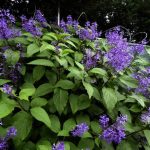
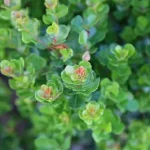
Gardening in the Western Cape means working with a climate that demands respect, especially when summer arrives and municipal restrictions tighten. We’ve put together a range of water wise plants for sale that are chosen to thrive in our local conditions, not just survive them. True water-wise gardening isn’t only about cutting back on irrigation. It’s about choosing species adapted to our natural rainfall patterns, so your garden holds up through the dry spells.
Key Takeaways
- Indigenous proteas like King Pink possess sclerophyllous leaves and deep roots evolved specifically for Cape dry summers.
- Water-wise plants typically require six to eighteen months of regular watering before achieving full drought tolerance.
- Dense groundcovers like Agapanthus Nana reduce soil evaporation rates by shading the surface and suppressing weeds.
- Salix Mucronata is suitable only for large gardens or riparian zones due to its vigorous root system and moisture needs.
- Matching plant species to specific sun and soil conditions matters more than general drought-tolerance labels.
You can build a garden that respects local resources by choosing drought tolerant plants South Africa’s climate has shaped over time. Our range includes indigenous fynbos, hardy succulents for dry gardens, and structural shrubs that lower maintenance without giving up on beauty.
Water Wise Plants for Sale in South Africa
The real difference between standard garden varieties and low water garden plants comes down to physiology, not toughness alone. Exotic annuals often need constant irrigation just to hold their appearance. True water-wise species have traits like sclerophyllous leaves or deep taproots that let them make the most of available moisture through our dry summers.
We stock these adapted species because they offer long-term value for homeowners dealing with unpredictable rainfall and rising water costs.
Picking the right plant means matching its natural preferences to your site. Even the most drought-tolerant species will struggle if it ends up in the wrong soil or light, so it’s worth checking whether your garden gets full sun or partial shade, and whether the soil drains freely or holds moisture, before you decide.
That matching process is what makes the difference between a plant that settles in and one that struggles from day one.
Indigenous Fynbos and Proteas for Dry Gardens
Indigenous flora holds up well in Cape Town gardens because these species have spent millennia adapting to nutrient-poor soils and Mediterranean rainfall. Protea cynaroides cultivars like ‘King Pink’ are bred from wild populations adapted to the Cape Floristic Region’s Mediterranean climate, which gives them sclerophyllous leaves and deep root systems built for dry summers.
The King Pink Protea 17cm Pot shows this adaptation well, thriving in sandy, acidic soils where other plants would struggle from thirst or lack of nutrients. Its striking pink bracts add architectural interest while asking for little extra watering once established.
If you’d like a different colour palette, the Protea Frosted Fire 22cm Pot offers creamy-white blooms with red tips against grey-green foliage. It shares the same hardy heritage as King Pink but brings a softer look to mixed fynbos borders.
Both proteas show that indigenous doesn’t mean plain. They offer striking floral displays while staying true to water conservation goals.
If you want to look beyond proteas, we also carry a wider range of fynbos plants for sale in Cape Town that work well alongside these iconic species in mixed plantings.
Drought Tolerant Shrubs and Climbers for Structure
Woody perennials give water-wise gardens their year-round structure, and they ask for far less than seasonal bedding plants that need replacing every few months. Shrubs and climbers form the backbone of a sustainable garden: screening, height and colour, without the heavy irrigation that soft landscaping usually demands.
Noltea africana is widely recommended by Western Cape landscapers for coastal and inland gardens, since its leathery foliage and moderate growth rate let it handle both wind exposure and seasonal drought without extra watering. The Noltea Africana 10lt (Soap Bush) works well as a screen or windbreak, establishing quickly into a dense barrier that shelters more delicate plants behind it.
For colour that proves water-wise gardens don’t have to be dull, the Bougainvillea Donyo 20lt delivers intense magenta bracts through the warmer months. This climber thrives on a bit of neglect once established, often flowering more freely when slightly stressed, which suits hot walls or trellises where irrigation is limited.
These structural plants show that cutting water use doesn’t mean giving up privacy or visual impact outdoors.
Low Water Garden Plants for Groundcover and Borders
Groundcovers do real work in dry landscapes. They shade the soil surface, which cuts evaporation and keeps weeds from germinating. Dense planting leaves less bare earth exposed, creating a living mulch layer that holds moisture and reduces how often you need to water the plants around it.
Agapanthus praecox subsp. orientalis ‘Nana’ forms dense clumps that shade the soil surface, cutting evaporation and protecting shallow roots through hot, dry South African summers. The Agapantha Nana White 4lt suits edging along pathways or filling gaps between larger shrubs, with neat white flowers and evergreen foliage that keeps the ground covered all year.
Another useful option is the Chlorophytum 14cm Pot, which spreads readily into a lush carpet in semi-shaded spots where many drought-tolerant species struggle. Its arching, variegated leaves brighten darker corners and tolerate the dry shade under established trees.
Used well, these groundcovers turn vulnerable bare soil into a layer that holds moisture and supports everything planted around it.
Hardy Perennials for Pollinators and Colour
Perennials sit between structural shrubs and short-lived annuals, coming back each season to provide colour and nectar for bees and other beneficial insects. Salvias are especially useful here. They tend to go dormant in extreme drought but recover quickly once the rains return, which suits our unpredictable climate.
We source our Salvia leucantha ‘Lemon Queen’ and other water-wise perennials from trusted local growers who cultivate them under Western Cape conditions, so they arrive hardened off and ready for your garden. The Salvia Lemon Queen 4lt produces pale yellow flower spikes that draw bees and butterflies, in a compact habit that suits the middle ground of a border.
This variety shows that water-efficient planting can still support biodiversity, offering habitat even when watering is restricted.
Because it bounces back after dry spells, you get consistent performance without replanting every year, which saves both water and money over time.
Choosing Trees for Water-Wise Landscapes
Trees need careful thought in a water-wise garden, because their mature size brings long-term moisture demands your site has to be able to sustain. Not every tree suits a low-water landscape, and putting a thirsty species in the wrong spot can undo the efficiency of the rest of your design.
The Salix Mucronata 50lt (Cape Willow) is a sound choice for specific sites, where a deep-rooted indigenous tree can reach groundwater or stabilise a bank without competing with ornamental plantings for surface irrigation. Willows do need more water than succulents, but indigenous varieties like this one are far more sustainable than exotic alternatives when planted in the right riparian or large-garden setting.
Don’t plant this tree near foundations or underground services; its root system is vigorous, and it isn’t suited to small suburban gardens with limited soil volume.
It’s not a universal fit for every water-wise property. Think of it as a specialist tool for larger landscapes or wetland-adjacent areas, where its ecological role justifies the water it needs.
Choosing a tree sized to suit your space now saves you removal costs later, and keeps it working in your garden’s water balance rather than against it.
Establishing Your New Water Wise Plants
Even the toughest drought-adapted species needs regular watering while it establishes, so it can build the root system it will eventually rely on. Most water-wise plants take between six and eighteen months to become fully self-sufficient, depending on the species, the soil, and when you plant.
Water deeply but infrequently during this period. That encourages roots to grow downward in search of moisture, rather than staying near the surface where they dry out fast.
A generous layer of mulch around new plantings helps too, moderating soil temperature and holding water until the roots can reach deeper reserves. Keep an eye on plants through their first summer and adjust watering based on how they’re actually looking, rather than sticking to a fixed schedule that might give them too much or too little.
Browse our full range of outdoor plants to find species matched to your microclimate, or get in touch for advice on building a garden that holds up to our dry summers.
We also offer garden-related services for anyone planning a larger installation who wants professional guidance on plant selection and placement.
Frequently Asked Questions
Which water wise plants are best suited for Western Cape gardens?
Indigenous fynbos species like proteas and ericas are ideally adapted to our Mediterranean climate with dry summers and wet winters. Hardy shrubs such as Noltea africana and groundcovers like Agapanthus Nana also perform reliably across diverse Cape Town microclimates without excessive irrigation once established.
How do I choose drought tolerant plants that match my garden’s sun and soil conditions?
Assess whether your site receives full sun, partial shade, or deep shade, and test if soil drains freely or retains moisture after rain. Match plants to these specific conditions rather than relying solely on drought-tolerance labels, as even water-wise species fail when placed in incompatible environments.
Do indigenous fynbos plants require less water than exotic species?
Yes, once established, indigenous fynbos typically requires significantly less supplementary irrigation than exotic garden plants because it evolved with local rainfall patterns. However, all newly planted specimens need regular watering for six to eighteen months regardless of origin to develop adequate root systems.
What is the difference between water wise plants and standard garden varieties?
Water-wise plants possess physiological adaptations like thick leaves, deep roots, or dormancy mechanisms that allow efficient moisture use during dry periods. Standard garden varieties often lack these traits and depend on consistent irrigation to maintain appearance, making them unsustainable under water restrictions.